
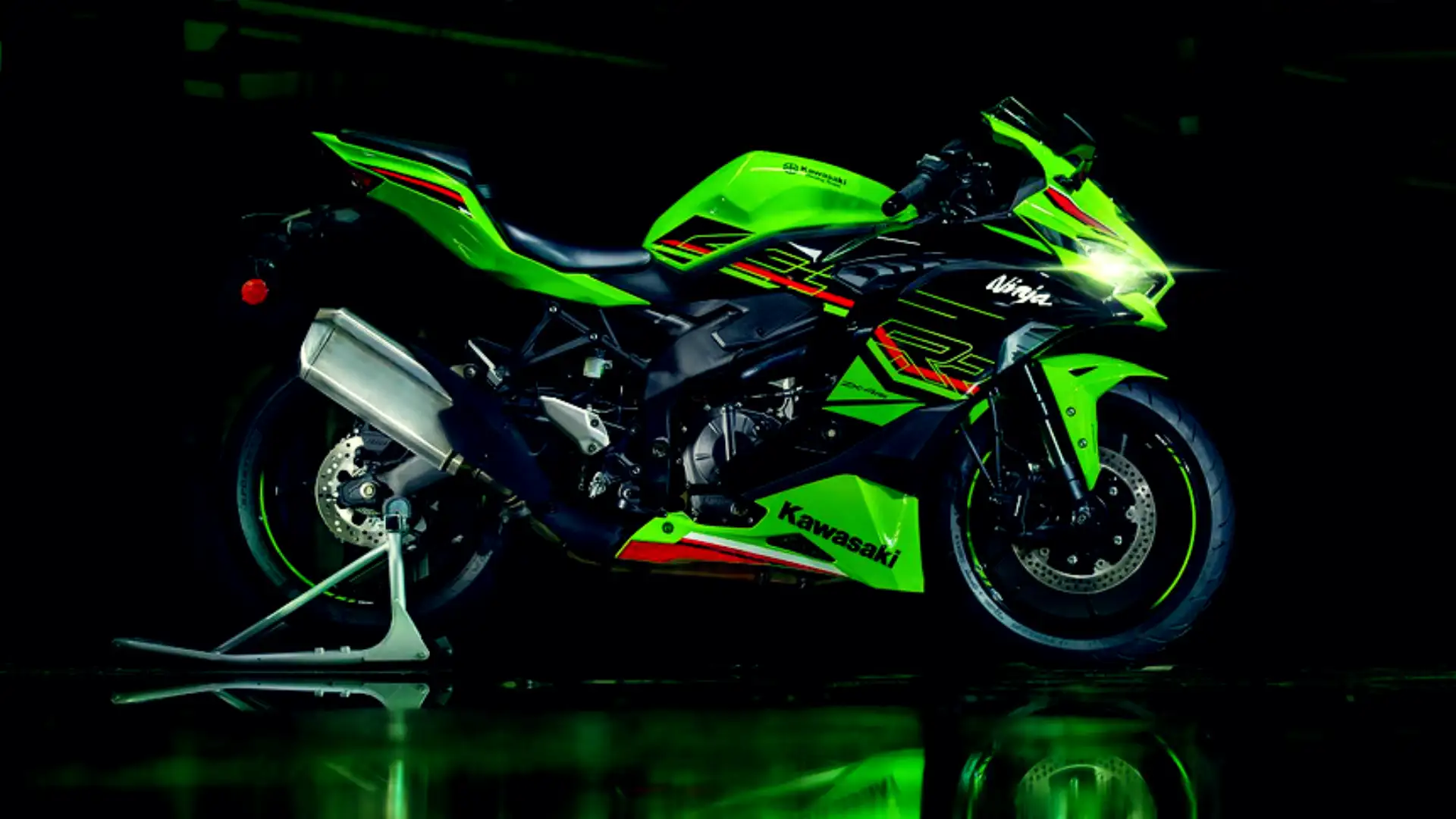
There is a specific feeling that comes with riding a motorcycle, but riding sports bikes is an experience that sits in a league of its own. It is the closest thing a human being can get to flying while still on the ground. When you tuck in behind the windscreen, twist the throttle, and feel the engine scream beneath you, the rest of the world just disappears. For many riders, sports bikes are not just machines; they are a passion, a lifestyle, and a masterpiece of engineering. They represent the pinnacle of performance, designed with one goal in mind: speed. Whether you are watching professional racers drag their knees on the asphalt or seeing a sleek machine parked at a local café, sports bikes always command attention. They look fast even when they are standing still.
However, entering the world of sports bikes can be a little intimidating for a beginner. They are powerful, they are aggressive, and they require a specific set of skills to ride safely. But do not let that scare you. Millions of people around the world enjoy the thrill of sports bikes every day. In this comprehensive guide, we are going to explore everything you need to know about these incredible machines. We will look at what makes them special, how to choose the right one, and how to stay safe while enjoying the ride. We will use simple, plain English to break down the technical jargon so that anyone, from a total novice to an experienced rider, can appreciate the art of the sport bike.
What Defines a True Sports Bike in the Motorcycle World
So, what exactly makes sports bikes different from other motorcycles like cruisers or touring bikes? The answer lies in their design philosophy. Sports bikes are built for performance above all else. Every curve of the bodywork, every bolt in the engine, and every inch of the frame is optimized for acceleration, braking, and cornering. Unlike a cruiser, which is designed for relaxed, straight-line comfort, sports bikes are designed to be agile and responsive. They are the fighter jets of the road.
The most obvious visual difference is the “fairing.” Sports bikes are covered in plastic or carbon fiber panels that wrap around the engine and the front of the bike. This isn’t just for looks; it is for aerodynamics. The fairing slices through the wind, allowing sports bikes to reach high speeds without the rider getting blown off. Another key feature is the riding position. On sports bikes, the footpegs are high and rear-set, and the handlebars are low clip-ons. This forces the rider into a crouched, forward-leaning position. This might feel strange at first, but it puts the rider’s weight over the front wheel, giving sports bikes incredible stability in corners. It is a machine built for the track, adapted for the street.
The Evolution of Speed From Race Tracks to City Streets
The history of sports bikes is fascinating because it is directly tied to the world of racing. In the early days, there was very little difference between a race bike and a street bike. But as technology advanced, manufacturers started building specialized machines for the track. Eventually, the public wanted that same performance for the road. This demand gave birth to the modern era of sports bikes. In the 1980s and 90s, we saw a boom in technology. Frames became lighter, engines became more powerful, and tires became stickier.
Today, the sports bikes you can buy from a showroom are often more advanced than the race bikes of twenty years ago. They come with computer systems that control traction, wheelies, and braking. This “trickle-down” technology means that when you buy sports bikes, you are buying a piece of racing heritage. Manufacturers like Honda, Yamaha, Kawasaki, Ducati, and BMW spend millions developing their race machines, and that research goes directly into the sports bikes they sell to you. It is a constant arms race to see who can build the fastest, lightest, and smartest bike. This competition is great for riders because it means sports bikes are constantly getting better, safer, and more exciting to ride.
Engine Power and Performance Explained Simply
The heart of any motorcycle is the engine, but the engines in sports bikes are special. They are usually designed to rev very high. A cruiser might produce its power at low RPMs (revolutions per minute) with a deep rumble. Sports bikes, on the other hand, often scream up to 12,000 or 15,000 RPM. This high-revving nature is what gives sports bikes their incredible acceleration. When you twist the throttle on sports bikes, the power delivery is instant and intense.
Most sports bikes use inline-four or V-twin engines. An inline-four engine is very smooth and produces a lot of top-end power, making it perfect for high speeds. A V-twin engine produces more “torque” or pulling power at lower speeds, which makes the bike feel punchy coming out of corners. Understanding these differences helps you choose between different sports bikes. If you want a screaming rush of speed on the highway, an inline-four might be for you. If you want a thumping, muscular feel on twisty back roads, a V-twin might be better. Regardless of the engine type, all sports bikes offer a power-to-weight ratio that puts most supercars to shame. Because sports bikes are so light, even a small engine can make them go incredibly fast.
Handling and Aerodynamics The Science of Cornering
While going fast in a straight line is fun, the real magic of sports bikes happens in the corners. This is where they truly shine. The frame of sports bikes is stiff and rigid, usually made of aluminum or lightweight steel. This stiffness allows the bike to change direction instantly. When you push on the handlebars of sports bikes, they dive into the turn with precision. It feels telepathic, as if the bike knows where you want to go before you do.
Aerodynamics also plays a huge role. The shape of sports bikes is refined in wind tunnels. At highway speeds, the air pushes against you with tremendous force. The windscreen and fairings on sports bikes create a bubble of calm air for the rider. This reduces fatigue and allows the bike to cut through the air efficiently. Modern sports bikes even have “winglets”—small wings on the side of the fairing—that create downforce to keep the front wheel planted on the ground at high speeds. This focus on handling is what makes riding sports bikes so addictive. The sensation of leaning the bike over, knee skimming the ground, is a feeling of control and freedom that you simply cannot find anywhere else.
Comfort vs Performance What to Expect from Sports Bikes
It is important to be honest about comfort. Sports bikes are not designed to be comfortable sofas. They are designed to be fast. The aggressive riding position—hunched over the tank, legs folded up tight—can be tiring on long journeys. Your wrists might ache, your back might get stiff, and your seat might feel hard. This is the trade-off you make for performance. When you buy sports bikes, you are prioritizing adrenaline over luxury.
However, not all sports bikes are torture racks. There is a sub-category called “sport-touring” or “naked sports” bikes. These machines take the engine and suspension of sports bikes but put them in a more relaxed package. The handlebars are higher, and the footpegs are lower. This gives you 90% of the performance of pure sports bikes with 100% more comfort. For a rider who wants to commute to work or do weekend road trips, these milder sports bikes are often a better choice. But for the purist, the discomfort of a true race-replica is a small price to pay for the sheer excitement it delivers. You eventually get used to the position, and many riders find that the focus required to ride sports bikes makes them forget about the physical strain until they stop.
Maintenance Tips for High Performance Machines
Because sports bikes are high-performance machines, they require more maintenance than a standard commuter bike. The engines are under a lot of stress because they rev so high. The tires are soft and sticky, which gives great grip but means they wear out faster. The brakes work harder. Owning sports bikes means you need to be diligent about maintenance. You cannot ignore oil changes or chain adjustments on sports bikes like you might on a lawnmower.
You should check your tire pressure before every ride. On sports bikes, tire pressure is critical for handling. A few PSI difference can make the bike feel unstable in a corner. You also need to clean and lube the chain frequently, as sports bikes put massive torque through the drivetrain. Oil changes should be done strictly according to the schedule, using high-quality synthetic oil. Brake pads need to be inspected often because sports bikes are capable of stopping very hard. While this sounds like a lot of work, many owners of sports bikes find the maintenance to be part of the hobby. Taking care of the machine that takes care of you is a rewarding process. A well-maintained sport bike is a safe sport bike.
Safety Gear Essentials for Sports Bike Riders
If you are going to ride sports bikes, you must dress for the crash, not the ride. Because sports bikes are faster and encourage more aggressive riding, the risk is inherently higher. You cannot ride these machines in a t-shirt and flip-flops. You need proper gear. A full-face helmet is non-negotiable. Sports bikes riders lean forward, so your face is close to the road and the wind. A good helmet protects your brain and your face from debris.
Next, you need a jacket and pants made of leather or abrasion-resistant textile. If you fall off sports bikes at speed, you will slide. Leather acts as a second skin, saving your actual skin from road rash. Most sports bikes gear also comes with armor in the elbows, shoulders, and knees to absorb impact. Gloves are essential because your hands are the first thing to touch the ground in a fall. And finally, proper riding boots that protect your ankles are vital. When you are stopped at a light on sports bikes, you need good traction to hold the bike up. Safety gear might be hot and heavy, but it is the only thing standing between you and a hospital visit. Looking cool on sports bikes is nice, but being safe is smarter.
Beginner vs Advanced Choosing the Right Model
One of the biggest mistakes new riders make is buying sports bikes that are too powerful for them. A 1000cc “liter-bike” is a weapon. It can go from 0 to 60 mph in under 3 seconds. For a beginner, this is too much. It is easy to make a mistake with the throttle and lose control. The best way to enter the world of sports bikes is to start small.
There is a fantastic market of 300cc and 400cc sports bikes designed specifically for new riders. These bikes look just as cool as the big ones, with sharp fairings and aggressive styling. However, the power is manageable. They are lighter and easier to turn. Learning on smaller sports bikes allows you to master the fundamentals of cornering and braking without being terrified of the engine. Once you have built your skills and confidence, you can upgrade to a 600cc “supersport” or a 1000cc “superbike.” Remember, a skilled rider on a slow bike is faster than a scared rider on a fast bike. Don’t let your ego dictate your purchase. There is no shame in starting on smaller sports bikes; in fact, it is the smartest way to become a great rider.
The Future of Sports Bikes Electric and Beyond
The world of sports bikes is evolving rapidly. We are currently witnessing a shift towards electric power. Electric sports bikes are hitting the market with incredible performance figures. An electric motor produces instant torque. There is no waiting for the engine to rev up; the power is just there immediately. This makes electric sports bikes incredibly fast off the line.
While some purists miss the noise and the smell of gasoline, the performance of electric sports bikes is undeniable. They are quiet, smooth, and require very little maintenance. Manufacturers are also experimenting with artificial intelligence and advanced safety systems. Future sports bikes might be able to talk to cars to avoid accidents or adjust their suspension automatically for every bump in the road. However, despite these changes, the soul of sports bikes remains the same. It is still two wheels, a motor, and a human. As long as people crave the thrill of speed and the joy of leaning into a corner, sports bikes will continue to exist and evolve. Whether powered by gas or electrons, the spirit of the sport bike is timeless.
Conclusion The Enduring Appeal of Sports Bikes
In conclusion, sports bikes represent one of the most exciting ways to move through the world. They are a celebration of speed, engineering, and human skill. From the aggressive styling to the screaming engines, everything about sports bikes is designed to stimulate the senses. They demand respect, focus, and practice, but the reward they give in return is unmatched.
Whether you are a young rider dreaming of your first Ninja or an older rider looking to recapture the glory days on a Ducati, there is a place in the world of sports bikes for you. They connect us to the road in a visceral way. They force us to be present in the moment. When you are navigating a twisty canyon road on sports bikes, you aren’t thinking about your bills or your job; you are thinking about the next turn. That escape is what makes them so special. So, if you are considering joining the ranks of sports bikes owners, do your research, buy the right gear, and take a safety course. The road is waiting, and there is no better way to experience it than from the cockpit of a sport bike. Safe riding!