
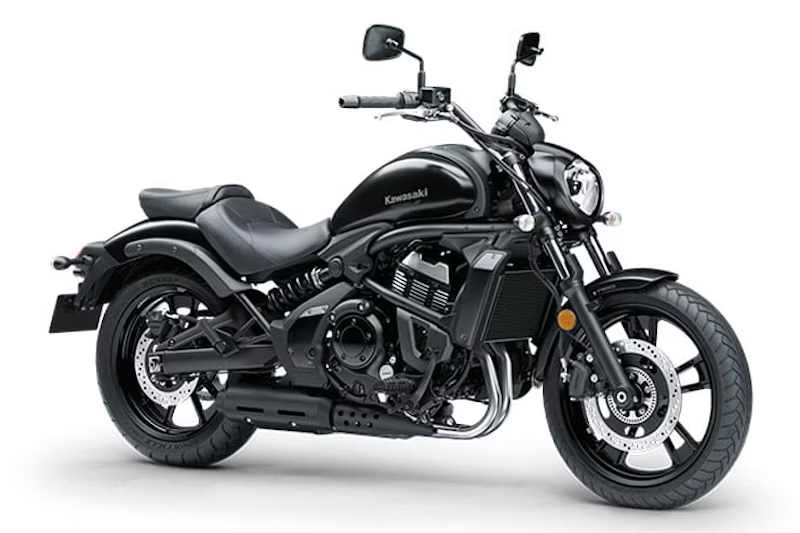
There is a very specific image that comes to mind when people think about motorcycles. It is usually a long, low machine with sparkling chrome, a deep rumbling engine, and a rider sitting back in a relaxed position, watching the world go by. These machines are known as cruiser bikes. For decades, cruiser bikes have represented the ultimate symbol of freedom and rebellion. They are not built for racing around a track at breakneck speeds, and they are not designed for jumping over dirt mounds. Instead, cruiser bikes are built for the journey itself. They are designed to make you feel connected to the road in a way that no other vehicle can. Whether you are riding down a highway at sunset or navigating through the city streets on a Sunday morning, cruiser bikes offer an experience that is pure, visceral, and incredibly satisfying.
In this comprehensive guide, we are going to dive deep into the world of cruiser bikes. We will explore why they are so popular, what makes them mechanically unique, and why they might be the perfect choice for your next ride. We will use simple, plain English to explain everything so that even if you are a complete beginner, you will understand the magic of cruiser bikes. For many riders, purchasing one of these machines is not just buying a vehicle; it is buying a ticket to a new lifestyle. It is about joining a community of people who value the ride more than the destination. So, let us start our engines and roll into the fascinating world of cruiser bikes.
What Defines Cruiser Bikes and Why They Are Special
So, what exactly are cruiser bikes? While motorcycles come in many shapes and sizes, cruiser bikes are easy to spot. They are defined by their riding position. On a sports bike, you lean forward. On a standard bike, you sit up straight. But on cruiser bikes, you sit back. The seat is usually very low to the ground, which allows you to plant your feet firmly when stopped. The footpegs are pushed forward, meaning your legs are extended in front of you, almost like you are sitting in a comfortable armchair. The handlebars are usually wide and swept back towards the rider. This creates a relaxed, laid-back posture that defines the character of cruiser bikes.
This design is not an accident. Cruiser bikes mimic the style of American motorcycles from the 1930s to the 1960s. They are heavy, stable, and powered by engines that prioritize torque (pulling power) over horsepower (top speed). When you ride cruiser bikes, you are not trying to be the fastest person on the road. You are trying to be the coolest. The special appeal of cruiser bikes lies in their attitude. They command presence. When one pulls up to a traffic light, people look. The chrome reflects the sun, the engine thumps with a rhythmic beat, and the bike looks substantial and powerful. For many owners, cruiser bikes are a rolling piece of art that reflects their personality.
The Unique Design and Aesthetics of Cruiser Bikes
Aesthetics are a huge part of the ownership experience for cruiser bikes. Unlike modern sports bikes that are covered in plastic fairings to cut through the wind, cruiser bikes are usually “naked.” This means the engine is exposed for everyone to see. Manufacturers spend a lot of time making the engines on cruiser bikes look beautiful. They use polished aluminum, chrome covers, and black powder-coating to turn the mechanical parts into visual highlights. The gas tank is usually teardrop-shaped, sloping down towards the seat. The fenders are often large and sweeping, covering the wide tires that are characteristic of cruiser bikes.
Another key design element of cruiser bikes is the use of chrome. While some modern versions are going for a “blacked-out” look, traditional cruiser bikes are famous for their shine. The exhaust pipes, the mirrors, the headlight bucket, and even the wheels are often chrome-plated. This requires a bit of work to keep clean, but it is a labor of love for the owners. The extensive use of metal instead of plastic gives cruiser bikes a solid, heavy feel. When you tap the fender of most cruiser bikes, it rings like metal, not a dull thud like plastic. This old-school construction quality is a major reason why cruiser bikes hold their value and their appeal over so many years.
Why Comfort is King on Modern Cruiser Bikes
If you plan to spend hours on the road, comfort is essential. This is where cruiser bikes truly shine. The low seat height is a massive advantage, especially for shorter riders or beginners. It removes the fear of tipping over at a stoplight because you can easily put both feet flat on the ground. The seats on cruiser bikes are typically wide and well-cushioned, designed to support your weight for long periods. Because you are sitting “in” the bike rather than “on” it, cruiser bikes offer a very secure feeling.
The suspension on cruiser bikes is generally tuned to be soft. It is designed to soak up the bumps and cracks of the highway, providing a smooth, floating sensation. While sports bikes have stiff suspension for taking corners fast, cruiser bikes prioritize a plush ride. However, it is worth noting that the “feet-forward” position puts some weight on your tailbone. For very long cross-country trips, some riders of cruiser bikes add a backrest or a specialized seat to provide extra lumbar support. But for cruising around town or doing a weekend loop, the relaxed ergonomics of cruiser bikes are hard to beat. You don’t have the weight on your wrists like a sportbike, and your knees aren’t cramped up. It is a natural, easy way to ride.
Engine Performance and the Sound of Cruiser Bikes
The heart and soul of cruiser bikes is the engine. Most traditional cruiser bikes use a V-twin engine. This means there are two cylinders arranged in a “V” shape. This engine configuration is famous for two things: torque and sound. Torque is the force that pushes you back in your seat when you twist the throttle. Cruiser bikes have massive amounts of low-end torque. You do not need to rev the engine high to get moving. You can be in a high gear at low speeds, twist the throttle, and the bike will just pull forward effortlessly. This makes riding cruiser bikes very relaxing because you don’t have to shift gears constantly.
Then there is the sound. The “potato-potato” rumble of a V-twin engine is the soundtrack of cruiser bikes. It is a deep, guttural sound that you feel in your chest. Many riders change the exhaust pipes on their cruiser bikes to make this sound even louder and deeper. It is part of the character. While some modern cruiser bikes use inline engines or parallel twins for smoother performance, the V-twin remains the gold standard. It is not about going 200 miles per hour; it is about the feeling of power at 60 miles per hour. That is the magic of the engines found in cruiser bikes.
Who Should Choose Cruiser Bikes for Their Ride
So, are cruiser bikes right for you? There is a misconception that these bikes are only for older riders. This is simply not true. Cruiser bikes are an excellent choice for a wide variety of people. First, they are fantastic for beginners. The low center of gravity makes cruiser bikes feel lighter than they actually are. They are stable at low speeds and easy to balance. The engines are powerful but usually predictable, so they won’t scare a new rider.
Cruiser bikes are also great for people who want to ride with a passenger. The long, flat seats and the availability of backrests (sissy bars) make cruiser bikes very passenger-friendly. If your partner wants to join you on the ride, they will be much happier on the back of a cruiser than on a tiny sportbike seat. Furthermore, cruiser bikes are perfect for riders who appreciate style and customization. If you view your vehicle as an extension of your personality, cruiser bikes offer a blank canvas. Whether you are a college student, a working professional, or a retiree, if you value a chilled-out ride and classic looks, cruiser bikes are likely the perfect fit for your garage.
Customization Culture Surrounding Cruiser Bikes
One of the most exciting aspects of owning cruiser bikes is the ability to make them your own. The aftermarket support for cruiser bikes is massive. You can change almost every single part of the bike. Want a different sound? Change the exhaust. Want a more aggressive look? Install high “ape hanger” handlebars. Want more comfort? Put on a touring seat and a windshield. Cruiser bikes are designed to be modified.
This customization culture creates a strong community. When you go to a meet-up for cruiser bikes, no two bikes look exactly the same. Owners take pride in their unique modifications. Some people turn their cruiser bikes into “baggers” by adding hard saddlebags and a fairing for touring. Others strip them down to turn them into “bobbers,” removing the front fender and cutting the rear one short. This flexibility is unique to cruiser bikes. With a sportbike, you are mostly stuck with what the factory gave you because changing the aerodynamics ruins the performance. With cruiser bikes, the performance is secondary to the style, so you have the freedom to experiment. It turns the ownership experience into a creative hobby.
Comparing Cruiser Bikes to Sports and Touring Models
To truly understand cruiser bikes, it helps to compare them to other types of motorcycles. Let’s look at sports bikes first. Sports bikes are built for speed, agility, and cornering. They are light, have high-revving engines, and aggressive ergonomics. Compared to them, cruiser bikes are heavy, slow, and soft. If you want to drag your knee on a racetrack, cruiser bikes are the wrong choice. But if you want to ride for three hours without your back hurting, the cruiser wins.
Then there are touring bikes. Touring bikes are huge, heavy machines built for crossing continents. They have massive fairings, radios, heated seats, and huge luggage capacity. While cruiser bikes can be used for touring, dedicated touring bikes are better for riding 500 miles a day. However, touring bikes are very expensive and difficult to manage in city traffic due to their size. Cruiser bikes sit in a sweet spot. They are comfortable enough for long rides but small enough to be fun around town. They offer a balance of style and practicality that is hard to find in other categories. Cruiser bikes are the jack-of-all-trades for the relaxed rider.
Maintenance Tips to Keep Cruiser Bikes Running Smoothly
Keeping cruiser bikes in top condition requires a little bit of effort, but it is well worth it. Because many cruiser bikes have exposed engines and lots of chrome, cleaning is a major part of maintenance. You need to polish the chrome regularly to prevent rust and pitting. A dirty cruiser just doesn’t look right. You also need to watch out for vibration. The big V-twin engines on cruiser bikes vibrate a lot, which can loosen bolts over time. It is a good habit to check your fasteners every few weeks to make sure nothing is rattling loose.
Mechanically, cruiser bikes are often simpler than sports bikes. Many use air-cooled engines, which means there is no radiator or coolant to worry about. However, this means you shouldn’t let cruiser bikes idle in traffic for too long on a hot day, as they can overheat. Many modern cruiser bikes use a belt drive instead of a chain. Belts are cleaner, quieter, and require less maintenance than chains, but they still need to be inspected for cracks. Oil changes are straightforward, but because cruiser bikes are low to the ground, you might need a special jack to lift them up. Regular maintenance ensures that the signature rumble of your cruiser stays healthy for years to come.
Essential Gear for Riding Cruiser Bikes Safely
The fashion associated with cruiser bikes is iconic. When you think of a cruiser rider, you think of a black leather jacket, heavy boots, and denim jeans. This “look” is actually rooted in safety. Leather is excellent at protecting your skin from road rash. Heavy boots protect your ankles from the heat of the engine and the weight of the bike. However, safety standards have evolved. Today, you can get gear for cruiser bikes that looks classic but has modern armor hidden inside.
Helmets are a big topic in the world of cruiser bikes. Many riders prefer “open-face” or “half” helmets because they fit the vintage style and let you feel the wind on your face. While these offer a great sense of freedom, they offer less protection than a full-face helmet. It is a personal choice, but safety experts always recommend full-face protection, even on cruiser bikes. Gloves are also essential. The vibration from the handlebars on cruiser bikes can numb your hands on long rides, so padded gloves help a lot. And don’t forget eyewear. If you wear an open helmet, you need good shatterproof sunglasses to protect your eyes from bugs and debris. Dressing the part adds to the fun of riding cruiser bikes, but safety should always be the priority.
The Future of Cruiser Bikes and Electric Innovation
The world of motorcycling is changing, and cruiser bikes are not immune to this shift. We are starting to see the first generation of electric cruiser bikes. This is a controversial topic. For many purists, the noise and vibration of the gas engine are essential to the experience of cruiser bikes. An electric motor is silent and smooth. Does it still count as a cruiser?
The answer seems to be yes. Electric cruiser bikes offer incredible torque—even more than gas engines—which fits perfectly with the cruiser philosophy of strong acceleration. They retain the low seat, the relaxed posture, and the heavy, stable feel. While they lack the “potato-potato” sound, they offer a new kind of futuristic cool. Major manufacturers of cruiser bikes are investing heavily in this technology. We are also seeing smaller, more efficient engines being used in entry-level cruiser bikes to attract younger riders who care about fuel economy and the environment. The classic style of cruiser bikes is timeless, but the technology underneath is evolving to meet the needs of the modern world. Whether gas or electric, the spirit of the cruiser remains the same.
Conclusion Embracing the Cruiser Lifestyle
In conclusion, cruiser bikes offer a unique and compelling way to experience the road. They are not about rushing to get to the destination; they are about savoring every moment of the journey. The combination of classic style, relaxed comfort, and a thumping engine creates an emotional connection between the rider and the machine. Cruiser bikes allow you to escape the stress of daily life and enter a world of chrome, leather, and open horizons.
Whether you are drawn to the community, the customization options, or simply the cool factor, owning one of these machines is a rewarding experience. Cruiser bikes are accessible to beginners, comfortable for passengers, and beloved by veterans. They are iconic machines that have stood the test of time. So, if you are thinking about getting your license or buying your first bike, give cruiser bikes a serious look. Sit on one, feel the weight, and imagine yourself rolling down the highway. You might just find that the cruiser lifestyle is exactly what you have been looking for. The road is calling, and there is no better way to answer than from the seat of a cruiser. Ride safe and enjoy the freedom.