
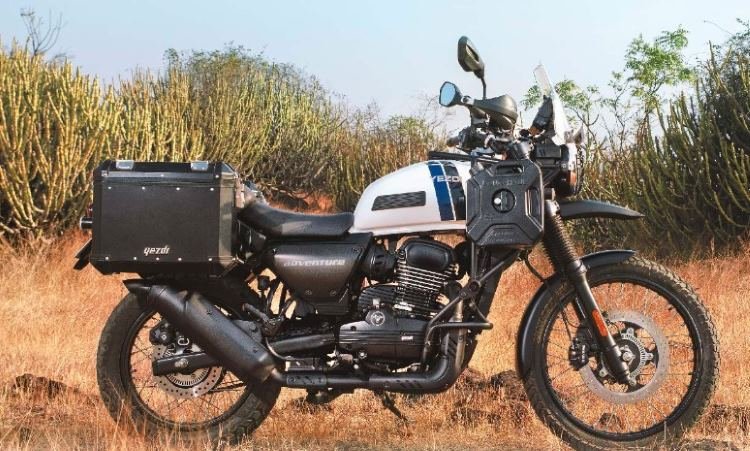
The call of the open road is something that many of us feel deep in our souls. It is that urge to pack a bag, leave the noise of the city behind, and just go where the horizon takes us. For some, this travel is done in a car or a plane, but for the true seekers of freedom, it is done on two wheels. This is where the magnificent world of adventure and touring bikes comes into play. These machines are not just motorcycles; they are tickets to freedom. They are built to conquer continents, cross deserts, and climb mountains, all while keeping the rider comfortable and safe. When you ride adventure and touring bikes, you are not limited by the pavement. You can turn down that gravel road to see a hidden waterfall, or you can cruise on the highway for ten hours straight without your back hurting. The versatility of adventure and touring bikes is what makes them the fastest-growing segment in the motorcycle world today.
In this comprehensive guide, we are going to explore everything you need to know about these incredible machines. We will look at what makes them special, how they differ from other motorcycles, and why they might be the perfect choice for your next big trip. We will use simple, plain English to explain the features and benefits of adventure and touring bikes so that anyone, from a beginner to an expert, can understand the magic they offer. Whether you are planning a weekend getaway or a round-the-world expedition, understanding adventure and touring bikes is the first step toward your new life of exploration.
What Defines Adventure and Touring Bikes in the Modern World
To understand adventure and touring bikes, you first need to understand what they are designed to do. A standard street bike is good for commuting. A sportbike is good for going fast on a track. A dirt bike is good for jumping over mud. Adventure and touring bikes are a mix of all these things. They are the SUVs of the motorcycle world. They are tall, strong, and capable. The “Adventure” part means they can handle rough terrain. They have long suspension to soak up bumps and tires that can grip dirt. The “Touring” part means they are built for long distances. They have big fuel tanks, comfortable seats, and wind protection.
When you look at adventure and touring bikes, you will notice they look different. They stand high off the ground. This is called “ground clearance,” and it allows the bike to go over rocks and logs without smashing the engine. They also have wide handlebars. This gives the rider leverage to steer the bike in tricky situations. Most adventure and touring bikes also come with crash bars to protect the engine if the bike falls over, which happens often when riding off-road. The combination of rugged durability and highway comfort is what sets adventure and touring bikes apart from every other type of vehicle on the road.
Why Comfort is King on Adventure and Touring Bikes
If you are going to ride for eight hours a day, you need to be comfortable. This is where adventure and touring bikes truly shine. Unlike sportbikes that force you to hunch over, adventure and touring bikes put you in an upright riding position. You sit up straight, like you are sitting in a dining chair. This is good for your back and your neck. It also gives you a great view of the road ahead, allowing you to see over cars and spot traffic problems early. The seats on adventure and touring bikes are usually wide and well-padded, designed to support you for hundreds of miles.
Wind protection is another huge factor. Riding at 70 miles per hour creates a lot of wind blast. On a naked bike, this wind hits your chest and tires you out very quickly. Adventure and touring bikes have windshields that push the air over your helmet. Many of these windshields are adjustable, so you can raise them on the highway and lower them when you are riding slow on a dirt trail. The ergonomics of adventure and touring bikes are carefully calculated to reduce fatigue. When you arrive at your destination on one of these machines, you feel fresh and ready to set up camp, rather than exhausted and sore. This focus on rider comfort is a defining characteristic of all high-quality adventure and touring bikes.
Off Road Capabilities of Adventure and Touring Bikes Explained
The real magic of adventure and touring bikes happens when the pavement ends. Most motorcycles have to stop when the road turns to gravel or dirt. Adventure and touring bikes just keep going. This capability comes from their suspension and wheels. The suspension on adventure and touring bikes has “long travel.” This means the wheels can move up and down a lot to absorb big bumps. If you hit a pothole or a rock, the bike soaks it up instead of jarring your spine. This makes riding on bad roads surprisingly smooth.
The wheels on adventure and touring bikes are often larger than street bikes. A larger front wheel rolls over obstacles easier than a small wheel. The tires are also different. Instead of smooth racing tires, adventure and touring bikes use “dual-sport” tires. These tires have deep grooves or blocks that dig into loose dirt and mud to find traction. While you wouldn’t take a massive touring bike on a motocross track, adventure and touring bikes are more than capable of handling fire roads, forest trails, and desert tracks. This off-road ability opens up a whole new world of travel. You can visit places that tourists in cars simply cannot reach. The spirit of adventure and touring bikes is about going anywhere, anytime.
Luggage Solutions for Adventure and Touring Bikes Trips
One of the biggest questions travelers have is, “Where do I put my stuff?” When you are living on the road for weeks, you need clothes, tools, camping gear, and food. Adventure and touring bikes are designed to carry weight. They have strong sub-frames that can support heavy luggage systems. The most common solution is “panniers.” These are hard metal or plastic boxes that attach to the sides of the rear wheel. They are lockable and waterproof, keeping your gear safe and dry.
Another option popular on adventure and touring bikes is soft luggage. These are durable, waterproof bags that strap onto the bike. Soft luggage is lighter and less likely to break your leg if you fall, making it a favorite for off-road riders. You can also add a “top box” to the back rack of adventure and touring bikes. This is great for storing your helmet when you stop for lunch. Many riders also use a “tank bag” that sits on the fuel tank for easy access to maps, cameras, and snacks. The capacity of adventure and touring bikes to carry a passenger and full luggage without handling poorly is what makes them the ultimate travel machines. You essentially have a two-wheeled pickup truck when you ride adventure and touring bikes.
Engine Performance and Range of Adventure and Touring Bikes
The engines in adventure and touring bikes are built for torque and reliability. You do not need an engine that screams at 15,000 RPM like a race bike. You need an engine that pulls strongly from low speeds. This is called “low-end torque.” It helps you climb steep hills and pull out of deep sand. Most adventure and touring bikes have engines ranging from 650cc to 1250cc. These engines are powerful enough to cruise on the highway at high speeds all day long without straining. They are also usually tuned to be very smooth to reduce vibration.
Fuel range is another critical aspect of adventure and touring bikes. If you are crossing a desert or a remote mountain range, gas stations might be 200 miles apart. Standard motorcycles might run out of gas halfway. Adventure and touring bikes come with massive fuel tanks. Some can hold 6, 7, or even 8 gallons of fuel. This gives adventure and touring bikes a range of 250 to 300 miles or more on a single tank. This range gives you peace of mind. You don’t have to worry about running dry in the middle of nowhere. The combination of a strong, reliable engine and a huge fuel tank makes adventure and touring bikes the most dependable partners for long-distance exploration.
Essential Technology Found on Adventure and Touring Bikes
Modern adventure and touring bikes are technological marvels. They are packed with computers and sensors to keep you safe. One of the most important features is ABS (Anti-lock Braking System). On adventure and touring bikes, you often have “Switchable ABS.” This means you can keep it on for safety on the road, but turn it off for the rear wheel when you go off-road. Off-road, you sometimes need to slide the rear wheel to steer, and standard ABS would prevent that. Traction control is another key feature. It stops the rear wheel from spinning out on slippery surfaces like wet grass or mud.
Many high-end adventure and touring bikes also come with “Ride Modes.” You can push a button to tell the bike you are in “Rain,” “Road,” or “Off-Road” mode. The computer then adjusts the engine power and suspension stiffness instantly. Electronic suspension is becoming common on expensive adventure and touring bikes. It automatically adjusts the height of the bike depending on how much luggage you are carrying. Heated grips and heated seats are also common, extending your riding season into the winter. Cruise control is a lifesaver on long highway stretches, allowing you to rest your right hand. The technology on adventure and touring bikes is there to let you focus on the scenery rather than managing the machine.
How to Choose Between Adventure and Touring Bikes Models
Choosing the right bike can be overwhelming because there are so many adventure and touring bikes on the market. The first thing to consider is your size. These bikes are tall. If you are short, you might struggle to touch the ground on some of the bigger adventure and touring bikes. You should sit on many different models to see which one fits your leg length. The second factor is weight. A 1200cc adventure bike is heavy. If you plan to do a lot of difficult off-road riding alone, picking up a heavy bike when it falls is hard. In that case, smaller, lighter adventure and touring bikes (like a 650cc or 700cc) might be better.
The third factor is your budget. Adventure and touring bikes range from affordable to very expensive. Remember that you also need money for gear and luggage. Don’t spend your whole budget on the bike and have nothing left for the trip. Finally, be honest about where you will ride. If 90% of your riding is on pavement and only 10% on dirt, you don’t need the most aggressive off-road tires and suspension. A more road-focused model of adventure and touring bikes would be smoother and faster. Research is key. Read reviews, watch videos, and test ride as many adventure and touring bikes as you can before spending your money.
Maintenance Tips for Long Distance Adventure and Touring Bikes
When you are thousands of miles from home, you need your bike to work. Maintenance is crucial for adventure and touring bikes. Before any big trip, you should check the basics. Check your tires. Are they worn out? Do they have the right air pressure? Adventure and touring bikes are heavy, so tire pressure is vital for safety. Check your chain. Is it clean and lubricated? A dry chain can snap in the middle of nowhere. Check your oil and coolant levels. These fluids are the lifeblood of your engine.
You should also learn how to do basic repairs on adventure and touring bikes. Learn how to fix a flat tire. Carry a puncture repair kit and a small air pump. Learn how to tighten a loose chain. Carry a small tool kit with wrenches that fit your specific bike. Because adventure and touring bikes vibrate a lot on dirt roads, bolts can rattle loose. It is a good habit to check the bolts on your luggage racks and handlebars every morning before you ride. Keeping your air filter clean is also important if you ride in dust. A clogged air filter will make the bike lose power. Taking care of your machine ensures that your adventure and touring bikes will take care of you.
Conclusion Starting Your Journey on Adventure and Touring Bikes
In conclusion, adventure and touring bikes represent the ultimate dream of mobility. They are not just vehicles; they are tools for discovery. They allow you to escape the routine of daily life and immerse yourself in the world around you. Whether you are riding through the mountains of Europe, the deserts of Africa, or just the backroads of your own state, adventure and touring bikes are the perfect companions.
They offer a unique blend of comfort, durability, and performance that no other motorcycle can match. They are built to carry you, your passenger, and your life’s possessions to the ends of the earth. The community of riders who own adventure and touring bikes is welcoming and helpful, full of stories and advice. By choosing to ride adventure and touring bikes, you are joining a global family of explorers. So, do not wait for the “perfect time” to travel. The perfect time is now. Find the right bike, pack your bags, look at the map, and go. The world is vast and beautiful, and it is best seen from the seat of adventure and touring bikes. Your adventure is waiting for you. Ride safe and enjoy every mile.