
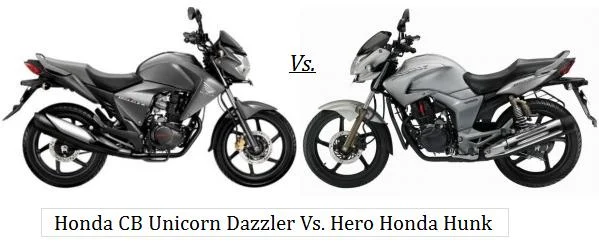
Buying a new motorcycle is one of the most exciting decisions you can make. The feeling of freedom, the wind in your hair, and the thrill of the open road are unmatched. However, with so many options available in the market today, choosing the right machine can be incredibly confusing. You might see two bikes that look similar, have similar engine sizes, and cost roughly the same amount of money. How do you decide which one is better? This is where Head to Head Bike Comparisons become your most valuable tool. By pitting two machines against each other, you can cut through the marketing noise and find the truth.
In this comprehensive guide, we are going to dive deep into the art of comparing motorcycles. We will look at engines, comfort, mileage, and features. We will explain why specifications on a piece of paper do not always tell the full story. Whether you are a daily commuter looking for efficiency or a weekend warrior looking for speed, understanding Head to Head Bike Comparisons is the key to making a purchase you will not regret. We will use simple English to ensure that everyone, from beginners to experts, can understand the nuances of these machines. Let us start our engines and explore the world of Head to Head Bike Comparisons.
Why Head to Head Bike Comparisons Are Essential for Buyers
When you walk into a showroom, every bike looks perfect. The paint is shiny, the tires are black, and the salesperson tells you it is the best bike in the world. But you cannot trust just one opinion. You need objective data. Head to Head Bike Comparisons provide this objectivity. They allow you to look at two competing models side-by-side to see where they differ. For example, one bike might have a higher top speed, but the other might be much more comfortable for city riding. Without doing detailed Head to Head Bike Comparisons, you might buy the faster bike only to realize it hurts your back during your daily commute.
Furthermore, Head to Head Bike Comparisons help you understand the value proposition. Just because a bike is cheaper does not mean it is a better deal. It might lack essential safety features or have higher maintenance costs. Conversely, the more expensive bike might be overpriced for what it offers. By reading or performing your own Head to Head Bike Comparisons, you can see exactly what you are getting for your money. This process empowers you as a buyer. It transforms you from someone who is guessing into someone who is making an informed, logical decision based on facts.
Analyzing Engine Performance and Power Delivery
The heart of any motorcycle is its engine, and this is usually the first place people start with Head to Head Bike Comparisons. However, numbers can be misleading. You might see two bikes that both have 150cc engines. You might assume they perform the same. This is rarely true. Head to Head Bike Comparisons reveal that engine tuning plays a massive role. One engine might be tuned for low-end torque, meaning it accelerates quickly from a traffic light but runs out of breath on the highway. The other might be tuned for top-end power, feeling sluggish in the city but screaming fast on the open road.
When you look at Head to Head Bike Comparisons, pay attention to terms like “power delivery” and “refinement.” A bike with high horsepower figures might vibrate terribly at high speeds, making it uncomfortable to ride. Another bike might have less power but feels smooth as butter. Head to Head Bike Comparisons help you decide what matters more to you: raw numbers or the actual feeling of the ride. If you ride in the city, you want a bike that wins Head to Head Bike Comparisons for low-speed agility and quick acceleration. If you tour on weekends, you want a bike that wins for highway stability and cruising speed.
Evaluating Fuel Efficiency and Real World Mileage
For many riders, especially students and commuters, mileage is the most critical factor. Manufacturers always advertise an “ideal” mileage figure. This number is often achieved under perfect conditions that do not exist in the real world. This is why Head to Head Bike Comparisons are so important. Real-world tests show the truth. In many Head to Head Bike Comparisons, you will find that a bike claiming 60 kmpl might only deliver 45 kmpl in heavy traffic, while its competitor claiming 55 kmpl might actually deliver 50 kmpl because of a more efficient fuel injection system.
Mileage also depends on how the bike asks to be ridden. Some sporty bikes encourage you to rev the engine hard, which drinks fuel. Other bikes have “eco indicators” that help you ride efficiently. Detailed Head to Head Bike Comparisons will discuss these characteristics. They will tell you which bike respects your wallet at the petrol pump. If you are on a tight budget, ignoring the mileage section of Head to Head Bike Comparisons is a mistake. A small difference of 5 kmpl can add up to a huge amount of money over five years of ownership. Use Head to Head Bike Comparisons to find the true champion of efficiency.
Comfort and Ergonomics for Daily Riding
You can have the fastest bike in the world, but if it is painful to ride, you will hate it. This is why comfort is a huge part of Head to Head Bike Comparisons. Ergonomics refers to how your body fits on the bike. It includes the seat height, the position of the handlebars, and the placement of the footpegs. In Head to Head Bike Comparisons, reviewers will often swap between bikes instantly to feel the difference. They might notice that Bike A forces you to lean forward aggressively, putting weight on your wrists. Bike B might allow you to sit upright with a relaxed back.
The seat itself is also a major point of contention in Head to Head Bike Comparisons. Is the foam too hard? Is the seat too narrow? Does the passenger have enough room? These are questions that Head to Head Bike Comparisons answer. For a daily commuter who spends two hours in traffic, a comfortable seat is worth more than an extra 5 horsepower. Suspension setup also plays a role here. Head to Head Bike Comparisons will test how each bike handles potholes and speed bumps. A bike with soft suspension might be great for bad roads but unstable in corners. A bike with stiff suspension handles well but might break your back on a bumpy road. Head to Head Bike Comparisons help you find the right balance for your local roads.
Handling Suspension and Braking Capabilities
Handling is about how the bike turns and how safe it feels. In Head to Head Bike Comparisons, riders test the agility of the machines. They weave through traffic cones and take sharp corners. They check if the bike feels heavy and sluggish or light and flickable. This is crucial for safety. A bike that handles well can help you dodge a sudden obstacle. Head to Head Bike Comparisons often highlight that tire width and chassis design make a big difference here. A bike with wider tires might look cool, but Head to Head Bike Comparisons might reveal that it makes the steering feel heavy.
Braking is even more critical. You need to know that the bike will stop when you need it to. Head to Head Bike Comparisons test the braking distance from 60 kmph to 0. They compare the “bite” and “feel” of the brakes. Does the bike have ABS (Anti-lock Braking System)? Is it single-channel or dual-channel? Head to Head Bike Comparisons will explain why a bike with dual-channel ABS is safer than one without it, even if it costs a little more. Seeing the braking distance numbers side-by-side in Head to Head Bike Comparisons can be a real eye-opener and can ultimately save your life.
Feature List and Technology Showdown
Modern motorcycles are becoming like smartphones on wheels. They come packed with features like Bluetooth connectivity, turn-by-turn navigation, digital consoles, and multiple ride modes. Head to Head Bike Comparisons allow you to list these features side-by-side. Does Bike A have a USB charger? Does Bike B have an LED headlight? These small conveniences matter in daily life. Head to Head Bike Comparisons often reveal that while one bike has a better engine, the other wins on technology.
You also need to evaluate if these features are useful or just gimmicks. Head to Head Bike Comparisons help you distinguish between the two. For example, a lap timer on a commuter bike is a gimmick, but a gear position indicator is very useful. Head to Head Bike Comparisons will point this out. Ride modes are another big area. Some bikes let you switch between “Rain,” “Urban,” and “Sport” modes. Head to Head Bike Comparisons will test if these modes actually change the bike’s behavior or if they are just marketing fluff. By using Head to Head Bike Comparisons, you can ensure you are paying for technology that you will actually use.
Maintenance Costs and After Sales Service
Buying the bike is just the beginning of your financial relationship with it. You also have to pay for service, spare parts, and repairs. This is an area where Head to Head Bike Comparisons are incredibly useful for long-term planning. Some brands are notorious for expensive spare parts. Others are known for cheap and easy maintenance. Head to Head Bike Comparisons often include a “cost of ownership” section where they estimate the service bills for the first few years.
You might find that Bike A is cheaper to buy, but Bike B is cheaper to own because its service intervals are longer. Head to Head Bike Comparisons reveal these hidden costs. They also discuss the reach of the service network. If you live in a small town, buying a bike that only has service centers in big cities is a bad idea. Head to Head Bike Comparisons will often mention the reliability reputation of the brands. A bike that breaks down often will lose any Head to Head Bike Comparisons regarding peace of mind. Resale value is also linked to this. Head to Head Bike Comparisons might note that one brand holds its value much better than the other, meaning you get more money back when you upgrade.
Styling and Aesthetic Appeal Battles
Beauty is in the eye of the beholder, but styling is still a major factor in Head to Head Bike Comparisons. We all want a bike that makes us look back at it after we park. Head to Head Bike Comparisons discuss the design language. Is it aggressive and sharp? Is it retro and classic? They compare the paint quality, the fit and finish of the plastic parts, and the overall build quality.
In Head to Head Bike Comparisons, reviewers will look for uneven gaps in the panels or messy wiring. These small details tell you a lot about how well the bike was built. While looks are subjective, build quality is objective. Head to Head Bike Comparisons help you see if a manufacturer cut corners to save money. A bike might look great from 10 feet away, but Head to Head Bike Comparisons get up close to inspect the switches, the paint depth, and the quality of the materials used. This ensures that your new bike feels premium and durable, not cheap and flimsy.
Making the Final Decision Based on Your Needs
Ultimately, the winner of Head to Head Bike Comparisons depends on you. There is rarely a perfect bike that wins every single category. One might be faster, while the other is more comfortable. One might be high-tech, while the other is more reliable. Head to Head Bike Comparisons give you the data, but you have to apply your own priorities to that data. If you are a college student, the winner of your Head to Head Bike Comparisons might be the one with the best mileage and style. If you are a touring enthusiast, the winner might be the one with the best seat and luggage capacity.
Use Head to Head Bike Comparisons to narrow down your list to two or three final contenders. Then, the most important step is to take a test ride. Head to Head Bike Comparisons can tell you facts, but they cannot tell you how the bike makes you feel. You need to experience the engine, the brakes, and the comfort for yourself. Use the knowledge you gained from Head to Head Bike Comparisons to ask the dealer tough questions. Check the things the reviews mentioned. Did the review say the brakes were spongy? Test them yourself. Did the review say the seat was hard? Sit on it for 10 minutes. Your personal experience combined with professional Head to Head Bike Comparisons will lead you to the perfect choice.
Conclusion The Power of Comparison
In the world of motorcycles, knowledge is power. Head to Head Bike Comparisons are the source of that power. They strip away the glossy marketing and reveal the mechanical reality of the machines. They force bikes to prove their worth against their direct rivals. By reading and understanding Head to Head Bike Comparisons, you protect your hard-earned money and ensure your safety on the road.
Remember that a motorcycle is a long-term commitment. You will likely spend years with your machine. It becomes a part of your daily life. Do not rush the decision. Dive deep into Head to Head Bike Comparisons. Look at the numbers, read the opinions, and weigh the pros and cons. Whether you are looking for a fuel-efficient commuter, a rugged adventure bike, or a screaming sports bike, there are Head to Head Bike Comparisons out there waiting to guide you. Use them wisely, and you will find a bike that doesn’t just transport you, but moves you. Happy riding and happy comparing.