
When you walk into a motorcycle showroom, the first question people usually ask is, “What is the CC of this bike?” We are obsessed with numbers. We look at engine capacity & power selection as if it is a high-score in a video game. But if you want to be a happy rider, you need to look deeper than the numbers on the spec sheet. Choosing the right engine is about matching the machine to your life, your skills, and your roads. Whether you are a student looking for a cheap commute, a professional heading to the office, or a weekend explorer, understanding engine capacity & power selection is the key to a great riding experience. In this guide, we will break down everything you need to know about engines in simple English, helping you make the perfect choice for your next two-wheeled companion.
What Does CC Actually Mean in Engine Capacity & Power Selection?
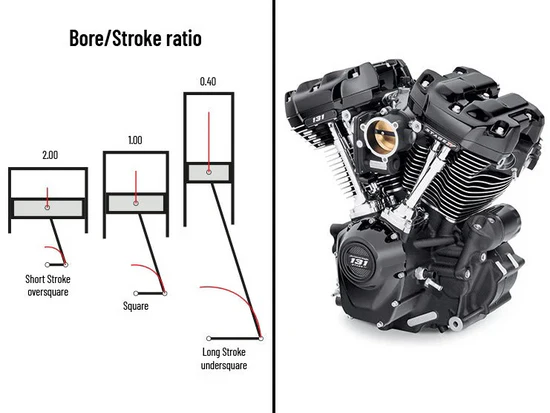
Before we talk about which engine to buy, let’s explain what that “CC” number actually is. CC stands for Cubic Centimeters. It measures the volume inside the engine’s cylinders. Think of it like the size of the engine’s stomach. A larger stomach can swallow more air and fuel, which usually means it can produce more power. In the world of engine capacity & power selection, we generally group bikes into categories based on this size. A 100cc bike is like a small, efficient runner. A 1000cc bike is like a powerful weightlifter. But remember, size isn’t everything. Modern technology means a 400cc engine today can sometimes be faster and smoother than a 600cc engine from twenty years ago. When you think about engine capacity & power selection, don’t just look at the size; look at the technology inside that “stomach.”
The 100cc to 125cc Range: The Kings of Economy
If your main goal is to save money and move through city traffic easily, this is your zone. In the market of engine capacity & power selection, these are the most popular bikes in the world. They are lightweight, which makes them incredibly easy to park and handle in tight spots. The best part about this engine capacity & power selection is the mileage. These bikes “sip” fuel rather than gulping it. You can often ride for a whole week on a single tank of gas. While they aren’t built for high-speed highways, they are perfect for short trips to the store or the office. For a beginner or a budget-conscious rider, this engine capacity & power selection offers the lowest stress and the highest savings.
Stepping Up to 150cc to 200cc: The Perfect Balance
Many riders find that 125cc is a bit too slow for modern roads, which is why the 150cc to 200cc segment is booming. This engine capacity & power selection is often called the “premium commuter” segment. These bikes give you enough power to overtake a slow truck or stay ahead of city traffic without feeling like the engine is struggling. They are still very fuel-efficient, but they offer a bit more “zip.” This engine capacity & power selection is ideal for someone who has a slightly longer commute or occasionally rides with a passenger. The bikes in this category usually have better brakes and wider tires, giving you more confidence and safety on the road.
The 250cc to 400cc Range: Entering the Performance Zone
This is where riding starts to feel less like a chore and more like a hobby. When you look at engine capacity & power selection in the 250cc to 400cc range, you are entering the world of “entry-level performance.” These bikes can easily handle highway speeds of 100 km/h to 120 km/h without breaking a sweat. They have enough power to be fun on a twisty mountain road but aren’t so powerful that they become dangerous for a sensible rider. This engine capacity & power selection is perfect for the rider who wants one bike that can do everything: commute on Monday and explore on Sunday. It is the “sweet spot” of the motorcycle world, offering great performance without the massive insurance and maintenance costs of bigger machines.
Understanding Horsepower vs Torque in Engine Capacity & Power Selection
When you read about engine capacity & power selection, you will see two other numbers: Horsepower (hp) and Torque (Nm). These are just as important as the CC. Horsepower tells you how much work the engine can do at high speeds—it’s about your top speed. Torque is about “pulling power”—it’s the force that pushes you forward when the light turns green. For city riding, you want an engine capacity & power selection that offers high torque at low speeds. This makes the bike feel “peppy” and responsive. For highway riding, you want more horsepower so the bike doesn’t feel strained at high speeds. A good engine capacity & power selection balances these two based on where you ride most.
Why Weight Matters as Much as Engine Size
A common mistake in engine capacity & power selection is ignoring the weight of the bike. Imagine a very small person carrying a heavy backpack versus a strong person carrying a light one. A 150cc engine in a very light frame can actually feel faster and more fun than a 250cc engine in a heavy, bulky frame. When you are making your engine capacity & power selection, always look at the “power-to-weight ratio.” A light bike is easier to lean into corners, easier to stop, and easier to pick up if it falls over. For many riders, a smaller engine capacity & power selection in a lightweight bike provides a much better experience than a big, heavy “superbike” that is hard to manage in a parking lot.
Cooling Systems: Air-Cooled vs. Liquid-Cooled
In the world of engine capacity & power selection, how the engine stays cool is a big deal. Cheaper, smaller bikes are usually “Air-Cooled.” They use the wind blowing over the engine to stay cool. This is simple and cheap to maintain, but it can struggle in heavy, slow-moving traffic on a hot day. More expensive bikes use “Liquid-Cooling,” which uses a radiator and coolant just like a car. This allows the engine to produce more power and run for longer periods without getting tired. If you live in a very hot city with lots of traffic jams, your engine capacity & power selection should lean towards a liquid-cooled engine to ensure the bike stays healthy and reliable for years.
Maintenance and Long-Term Costs of Power
More power usually means more money. It’s a simple rule of engine capacity & power selection. A 600cc engine has more cylinders, more spark plugs, and needs more oil than a 150cc engine. The tires on high-power bikes are softer and wear out faster. The insurance companies will also charge you more for a higher engine capacity & power selection because they view it as a higher risk. When you are choosing your engine capacity & power selection, be honest about your monthly budget. It’s better to have a 200cc bike that is perfectly maintained and full of gas than a 600cc bike that sits in the garage because you can’t afford the new tires or the service bill.
Resale Value: How Engine Choice Affects Your Wallet Later
Finally, consider the future. Your engine capacity & power selection today affects how much money you get back when you sell the bike in three years. In many markets, 150cc and 200cc bikes have incredible resale value because there are always thousands of people looking for a good second-hand commuter. Very large or very small bikes can sometimes be harder to sell because the “pool” of buyers is smaller. A smart engine capacity & power selection involves picking a popular size that will be easy to trade-in when you are ready to upgrade. This makes the “total cost” of owning the bike much lower over time.
Conclusion: Trust Your Needs, Not the Hype
Choosing your motorcycle is a personal journey. The “best” engine isn’t the one with the highest numbers; it’s the one that fits your life. If you are just starting out, a smaller engine capacity & power selection will help you learn safely and save you a fortune at the pump. If you are an experienced rider looking for thrills, you might move up the ladder. Always remember that on the road, your skill as a rider is more important than the CC of your engine. Take your time, test ride different sizes, and make an engine capacity & power selection that makes you smile every time you turn the key. The road is waiting, and the right engine is out there to take you on your next adventure.